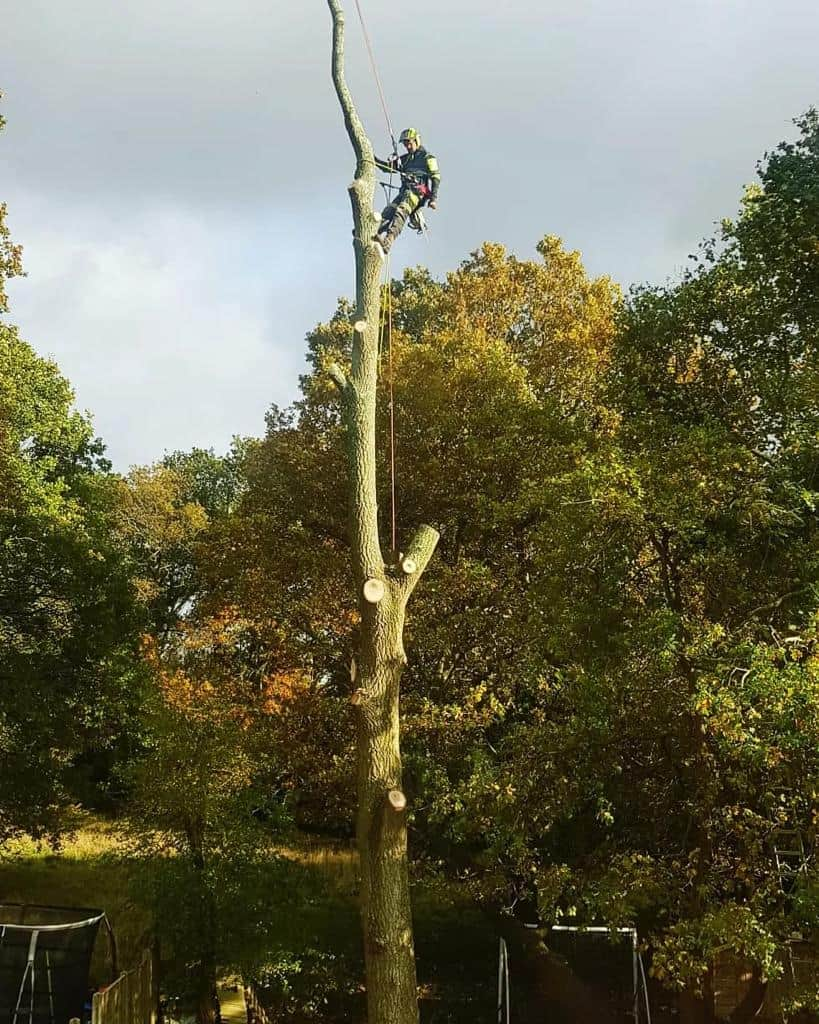
After a tree has been felled, the remaining stump can become an obstacle that limits how you use your garden. Although it may seem harmless at first, a tree stump can take up valuable space, interfere with landscaping and make routine garden maintenance more difficult.
Removing an unwanted stump can help restore the usable area, create a more organised outdoor environment and make future garden improvements easier. For homeowners in Midhurst, West Sussex, professional stump removal is a practical way to make better use of the space left behind after tree removal.
Creating More Space for Garden Activities
A tree stump can restrict how much of your garden is available for everyday activities. Whether you want to create a seating area, provide space for children to play or simply enjoy a more open lawn, a remaining stump can get in the way.
Even a relatively small stump can interrupt the layout of an outdoor space, particularly in gardens where every section has a specific purpose. Removing it allows the area to be used more effectively and gives you greater flexibility when planning improvements.
Once the stump has been removed and the ground prepared appropriately, the space can be incorporated into the surrounding garden.
Making Lawn Maintenance Easier
Mowing and trimming around a tree stump can be awkward. It may be difficult to reach the grass immediately surrounding it, leaving untidy patches that require additional attention.
Stumps can also present an obstruction when using lawnmowers and other garden equipment. Their exposed roots may create further difficulties, particularly where they extend across the lawn or sit close to the surface.
Professional stump removal helps eliminate these obstacles, making it easier to maintain an even lawn and move garden equipment around the area. This can make routine maintenance more straightforward and help create a tidier outdoor appearance.
Improving Safety Around the Garden
An old tree stump can become a tripping hazard, particularly when it is partly hidden by grass, plants or surrounding vegetation. This can be a concern in gardens used regularly by children, visitors and family members.
Exposed roots can create similar problems by forming uneven sections of ground that are difficult to see when walking across the garden.
Removing the stump and addressing the surrounding root area can help create a more level and accessible space. The extent of ground preparation required will depend on the size of the stump, the root system and how the area will be used afterwards.
Preparing the Ground for New Landscaping
Removing a tree stump can make future landscaping projects much easier. If you intend to install a patio, extend a lawn, create a garden path or introduce new planting areas, an existing stump may restrict the available layout.
Tree roots can also affect excavation and ground preparation. Leaving a substantial stump in place may make it difficult to establish a suitable foundation for certain garden features.
Stump removal clears the immediate area and allows the ground to be assessed before further work begins. This gives homeowners more freedom to redesign the space according to their requirements.
Reducing Problems Caused by Decaying Stumps
As an old stump gradually decays, its condition can change. The wood may soften, break apart or become increasingly difficult to manage as it deteriorates.
Decaying timber can also attract wood-feeding insects and provide shelter for other garden organisms. While not every stump will create a pest problem, leaving unwanted decaying material in a frequently used part of the garden may be undesirable.
Removing the stump helps eliminate this source of decaying wood and makes the area easier to maintain. It is also useful when planning a cleaner, more open garden layout.
Understanding Professional Stump Grinding
Stump grinding is a common method of dealing with unwanted tree stumps. It involves using specialist machinery to break down the remaining stump into smaller wood fragments, usually grinding below the surrounding ground level.
The depth required depends on the stump’s size, location and intended future use of the area. For example, preparing the ground for turf may involve different requirements from preparing it for a new garden feature.
Grinding is often suitable where the aim is to remove the visible stump without excavating the entire root system. However, larger roots may remain underground and gradually decay over time. A professional assessment helps establish the most appropriate approach for the site.
Why Professional Stump Removal Matters
Tree stumps can vary considerably in size, age and root structure. Some are relatively straightforward to remove, while others may be close to walls, paths, fences or other garden features that need to be protected.
Professional tree surgeons can assess the stump and surrounding conditions before selecting suitable equipment and techniques. This helps ensure the work is carried out with consideration for nearby structures, underground obstructions and the intended use of the space.
LM Tree Surgery Midhurst provides professional stump removal services for property owners in Midhurst, West Sussex. Whether you have a single unwanted stump or need to clear an area following tree removal, professional advice can help you plan the next steps.
Conclusion
Removing tree stumps can significantly improve the usability of your outdoor space. It creates room for garden activities, makes lawn maintenance easier, reduces potential trip hazards and provides greater flexibility for future landscaping.
The right removal method depends on the stump’s condition, size and location. If an old stump is preventing you from making the most of your garden, contact LM Tree Surgery Midhurst to discuss professional stump removal in Midhurst, West Sussex.
Call us on: 01730 771 392
Click here to find out more about LM Tree Surgery Midhurst
Click here to complete our contact form and see how we can help with your tree’s needs.